Here are some low impact changes you can make to help reduce the chance of damp and mould occurring in your home.
Open windows and keep trickle vents open
Open windows to ventilate. If warm moist air cannot vent to the outside, then it can form as condensation on colder surfaces internally.
Condensation will occur less if you allow air to circulate freely. Make sure vents and airbricks are not covered or obstructed.
in cold weather opening the windows for short periods of time will reduce condensation without cooling your home too much. It also improves air quality and reduces risk of illnesses such as flu
Avoid drying clothes indoors
If you have to dry clothing indoors and don’t have a tumble dryer, place clothes on a drying rack in a room where a window can be opened slightly and keep the door closed.
No drying rack? Put your clothes on hangers and hang from a curtain pole above a slightly opened window.
Don’t dry clothes on radiators. This will make your boiler work harder to heat your house and cost almost as much as using a tumble dryer, whilst creating a lot of condensation.
Use saucepan lids
Close internal doors whilst cooking and open a window
Use an extractor fan if you have one
Put lids on pans (this also reduces boiling times and helps save money)
Only boil as much water as you need in a kettle to reduce steam and save money
Ventilate
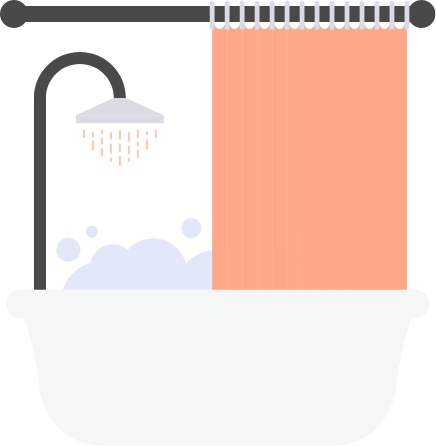
Open windows whilst bathing/washing and leave them open for about 20 minutes after, if it is safe to do so
Use an extractor fan if you have one
Take shorter and cooler showers
When running a bath put the cold water in first; this results in significantly less condensation
Wipe down windows/mirrors/tiles/shower doors with a window squeegee and mop up the moisture with an absorbent cloth which can be wrung out in the sink.
Don’t leave wet towels lying around.
Use a cleaning product with an anti-mould ingredient or distilled vinegar to clear patches of mould.
Maintain consistent indoor temperatures
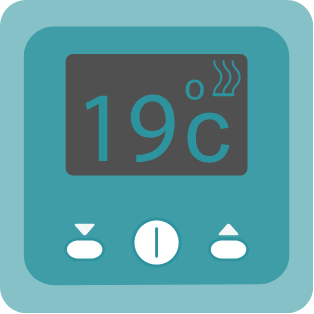
Damp and mould are most likely to be a problem in homes that are underheated. Try to keep temperatures in all rooms consistent, ideally above 15°C as this will reduce condensation forming on external walls.
What if I need further advice?
Our directories and support pages have loads more information available on all of this, please follow the links below.