Carbon monoxide is a dangerous gas created when fuels such as gas, coal, or wood burn without enough oxygen. It’s invisible and has no smell, colour or taste, which means you won’t know it’s present unless you have a working alarm.
Small releases of CO cannot be detected by an alarm but breathing it in can still make you ill. In higher amounts, it stops the blood from carrying oxygen around the body, which can be fatal. That’s why carbon monoxide is often called the “silent killer.”
What to do in an emergency
If your CO alarm sounds or you suspect a CO leak:
1
Turn off appliances and open windows/doors. Then leave the property immediately.
2
Call 999 if you or anyone else has symptoms of CO poisoning and need medical attention.
3
Call the National Gas Emergency Service: 0800 111 999 (even if you don’t use gas)
4
Tell your Landlord that you think your property has a carbon monoxide leak.
5
Do not go back inside until a qualified professional says it’s safe.
Where does CO come from?
CO is made when fuels like gas, oil, coal, wood, or charcoal don’t burn properly, or when chimneys and flues are blocked.
It can come from:
Boilers, cookers, heaters, open fires and wood-burning stoves (if old, faulty, badly installed or not serviced).
Using charcoal or gas BBQs, petrol/diesel generators, and the storage and burning of wood pellets.
Burning candles, incense, bakhoor, or smoking indoors.
Cracked chimneys or flues.
Neighbouring flats or houses – CO can travel through vents, cracks in walls, ceilings and under floorboards.
What are the health effects?
CO stops your blood carrying oxygen to vital organs like the brain and heart.
Early symptoms may feel like flu or food poisoning:
Headache, tiredness, dizziness
Feeling sick or vomiting
Shortness of breath, fast heartbeat
Chest pain or weakness
Severe symptoms can include:
Blurred vision, confusion, seizures
Loss of hearing
Loss of consciousness or coma
Long-term exposure can cause:
Memory and mood problems
Difficulty concentrating
Permanent brain or heart damage
If your symptoms improve when you leave the house, CO may be the cause.
Signs of a CO leak at home
You cannot see the gas itself, but you might notice:
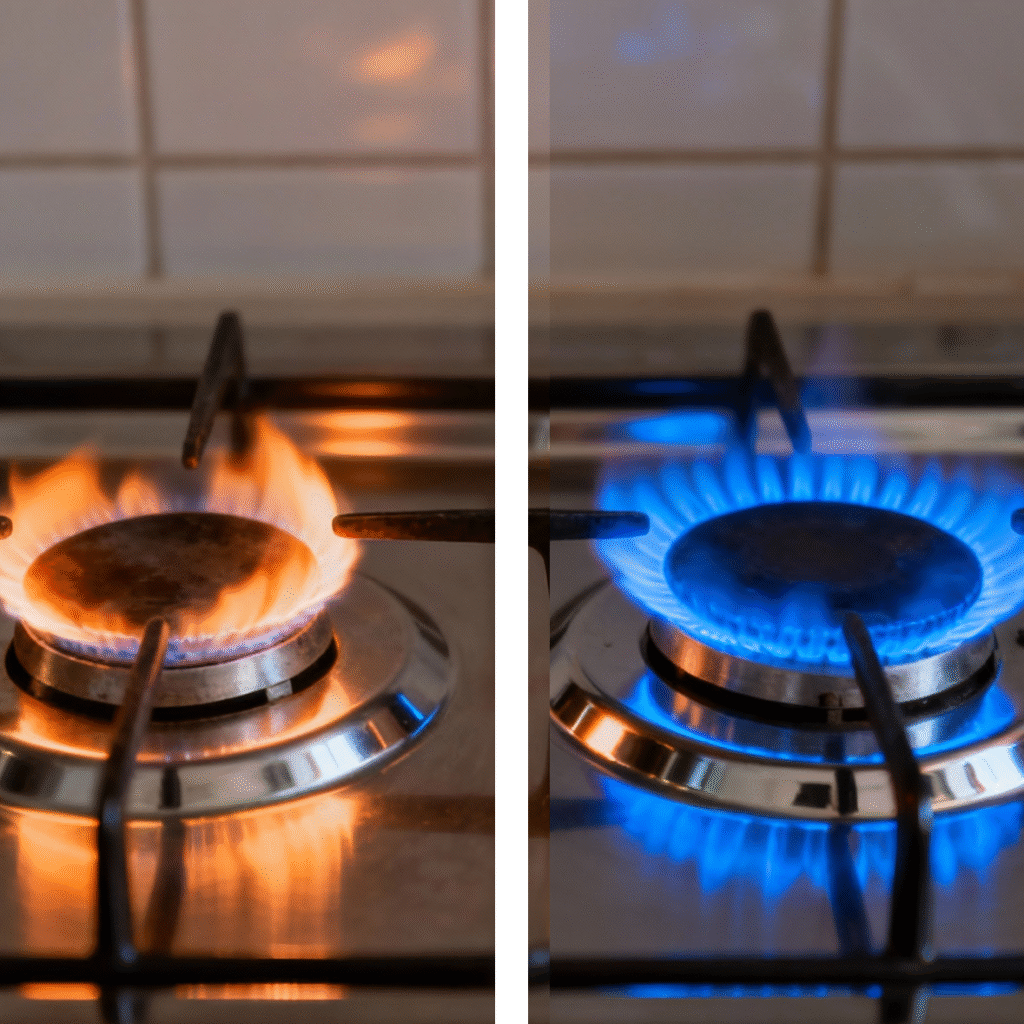
Yellow or orange flames on gas cooker or stove, they should burn blue, unless it is a real flame effect gas fire.
Stains or soot around your cooker or boiler.
Pilot lights going out often.
Condensation on windows in the same room.
Stale or stuffy air
Who is most at risk?
Everyone can be affected, but the risk is higher for:
Babies and young children
Pregnant women and unborn babies
Older adults
People with heart or lung conditions
Pets
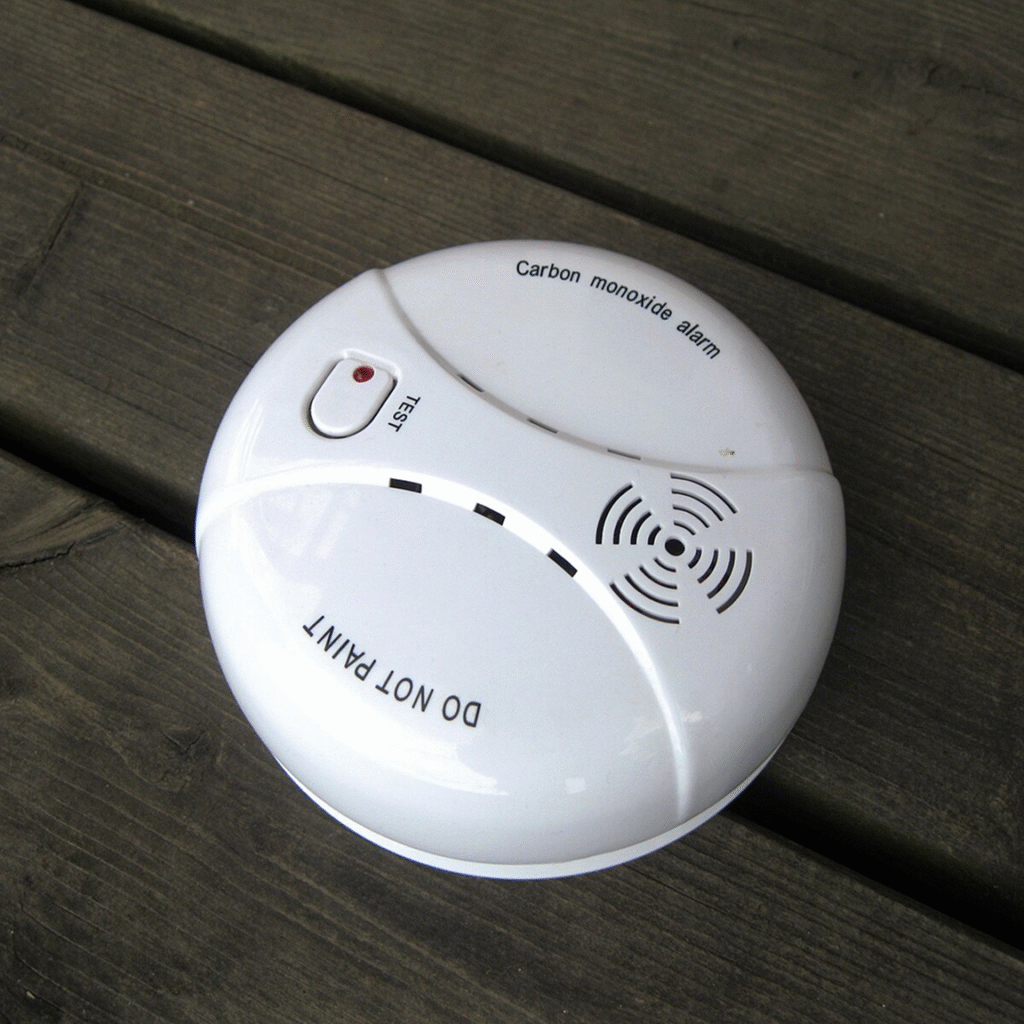
What does a CO alarm look like?
A CO alarm is a small battery powered or wired-in device (like a smoke alarm). It is usually placed on the ceiling or a wall, and has lights and a test button.
It should be placed in any room with a gas or fuel burning appliance (e.g. a boiler or a cooker).
They should not be placed near windows, vents or behind furniture.
In rented homes, the landlord is responsible for installing CO alarms wherever they provide fuel-burning appliances.
CO alarms should be tested monthly. Simply press the 'test' button and you should hear a loud, long repeated sound. If it doesn't sound when tested, or if you see a fault light or hear an occasional bleep sound, then replace the alarm as soon as possible.
Landlords should replace alarms when they expire (date displayed on the alarm). Alarms have a life span of between 5-10 years.
How to prevent CO in your home
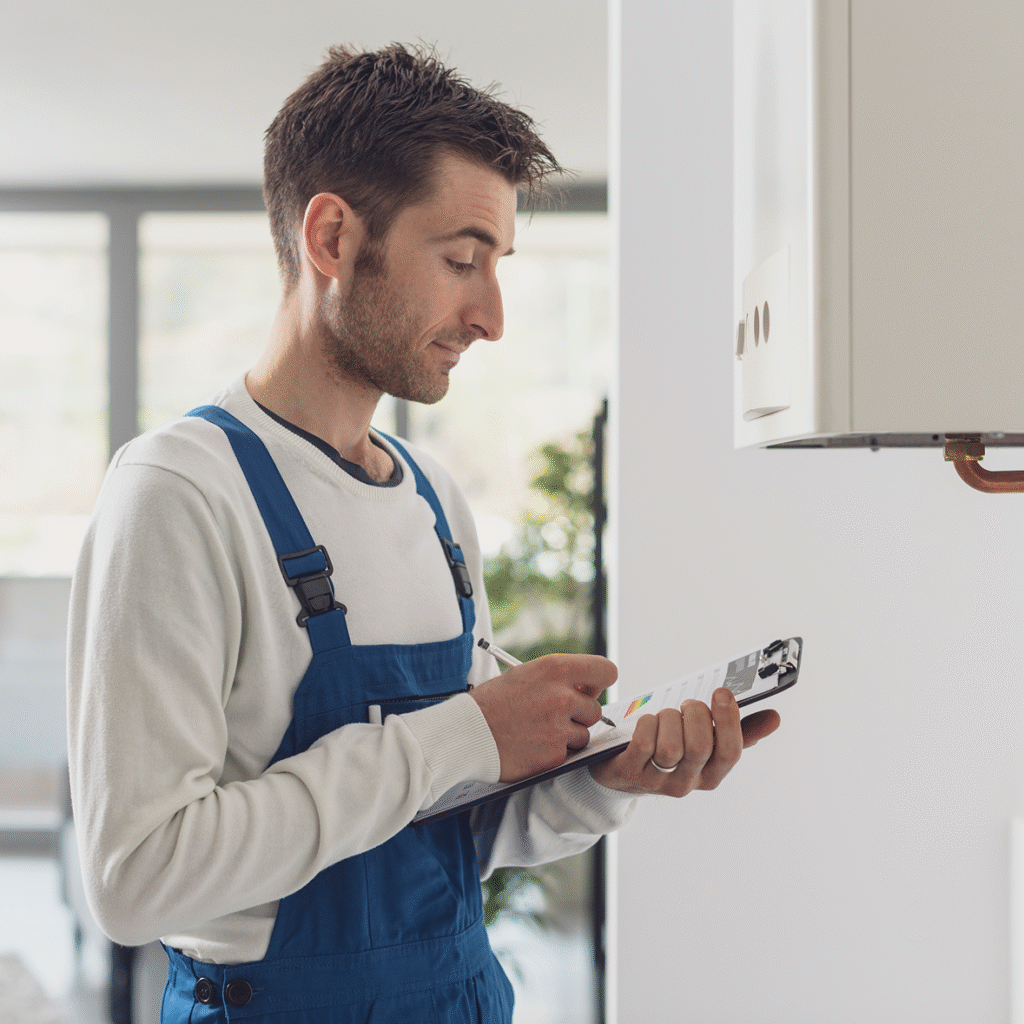
Service your fuel burning appliances (e.g. boiler, cooker, stove etc)→ Get gas, oil, and solid-fuel appliances checked every year by a registered engineer.
Check ventilation → Keep vents clear, open windows when cooking, sweep chimneys yearly.
Use appliances correctly → Never use cookers or BBQs to heat your home. Don’t bring BBQs or generators indoors.
Candles and incense → Use sparingly and in well-ventilated rooms.
Smoking → Don’t smoke shisha or heat charcoal indoors.
Actions to take
An alarm will alert if high levels of CO leak into your home, It cannot alert you to low levels of CO that might make you ill.
If you or anyone else feels unwell → get medical help and call the National Gas Emergency Service on 0800 111 999 (even if you don’t use gas)
In a medical or fire emergency → call 999.
Call your GP or 111
Tell your Landlord
CO poisoning is treatable with oxygen. If you have ongoing issues following treatment, it is important to speak to your doctor.
A registered engineer can check your appliances and make them safe.
Further Support
What support can private renters get for carbon monoxide (CO) safety?
If you rent from a private landlord, they have a legal duty to keep your home safe. This means they must:
Carry out a yearly gas safety check on boilers, cookers, and other gas appliances by a Gas Safe registered engineer. You should be given a copy of the certificate. Note: If you bought your own gas cooker or portable gas heater, this is your responsibility and these should be checked by a Gas Safe registered engineer.
Provide carbon monoxide alarms in any room where there is a gas boiler, gas fire, or oil or solid fuel appliance (like a wood-burning stove).
Repair or replace faulty appliances that they supplied, if they are not working safely.
Act quickly in emergencies – if you report a suspected CO leak or faulty appliance, they must respond as soon as possible.
If your landlord does not take action after you’ve reported a CO safety concern, you can contact your local council’s Environmental Health team, who can inspect your home and make sure your landlord takes the right steps.
What support can local councils provide?
Some councils can give extra help with carbon monoxide safety, such as:
Inspecting your home if you report concerns about unsafe appliances or lack of CO alarms.
Taking action with landlords to make sure they carry out repairs or provide alarms.
Providing advice and information on how to stay safe from CO.
In some areas, free or low-cost CO alarms may be available for vulnerable residents.
The support can vary depending on your local council, so it’s always best to contact them directly if you’re worried about carbon monoxide in your home.
Cadent attended 3,115 CO incidents in West London, in 2024 (Cora Platform).